Functional training focuses on natural movement patterns used in daily life. Instead of isolating single muscles, the main focus is the full movement. This improves strength, stability, and coordination at the same time.
What Functional Training Means
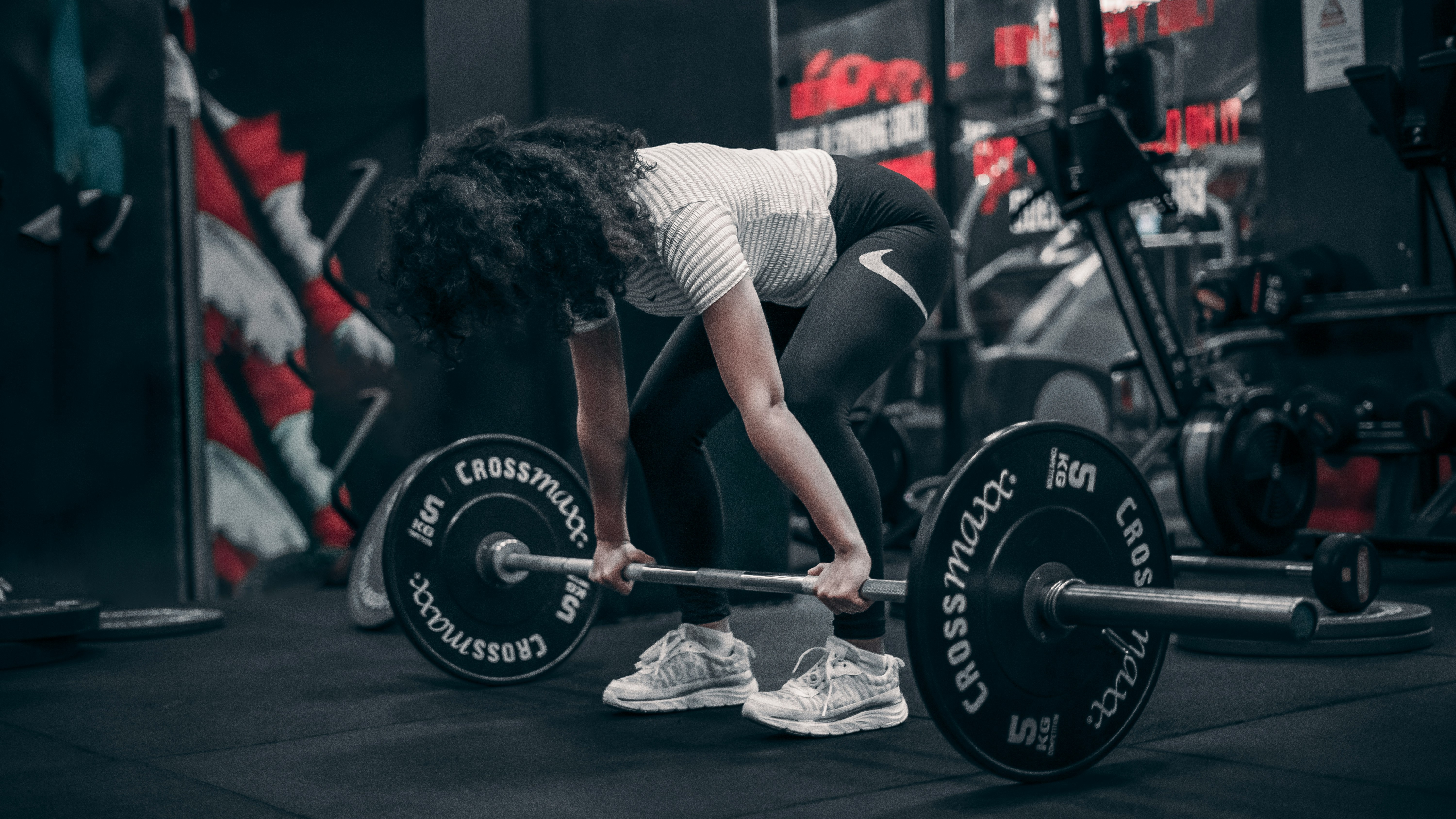
Functional training works with movement patterns. Squat variations, lifting, carrying, pushing, pulling, and rotation form the base. These patterns show up in daily life and in sports. That is why functional training improves real world performance so effectively.
Everyday Strength
To move confidently in daily life, you need more than strength. You need control. Functional training builds strength that supports clean movement. This helps with carrying groceries, climbing stairs, and physical work, and it reduces unnecessary strain.
Core Stability
The core connects the upper and lower body. A stable core improves posture, balance, and force transfer. Many functional exercises train these qualities naturally because the body must stabilize while it works.
Mobility and Coordination
Functional training can improve mobility because movements often use larger ranges of motion. Coordination also improves because multiple muscle groups work together and you learn to control movement efficiently.
Sport Performance
Athletes benefit from strong functional foundations. When you are stable, mobile, and powerful, you can accelerate faster, decelerate better, and tolerate higher training loads. This supports performance and reduces overload risk.
Why It Feels Motivating
Many people enjoy functional training because it is varied and practical. You build skills, not only muscles. Progress becomes visible when movements feel smoother and you feel more stable in daily life.
Progression and Variations
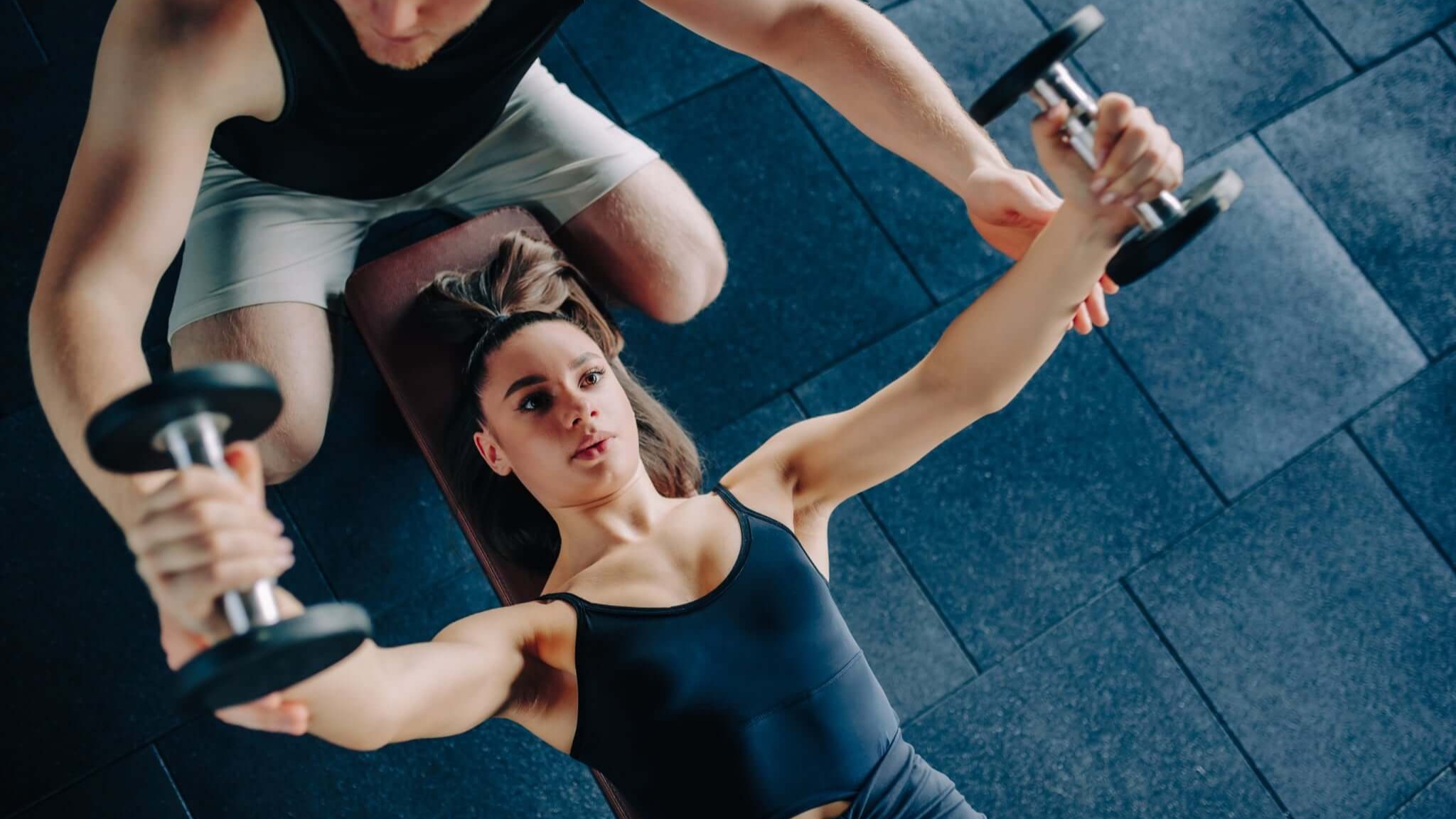
Functional training is scalable. Exercises can be simplified when you start and intensified as you progress. Clean technique, appropriate load, and smart progression are what make it effective.
Examples of Training Elements
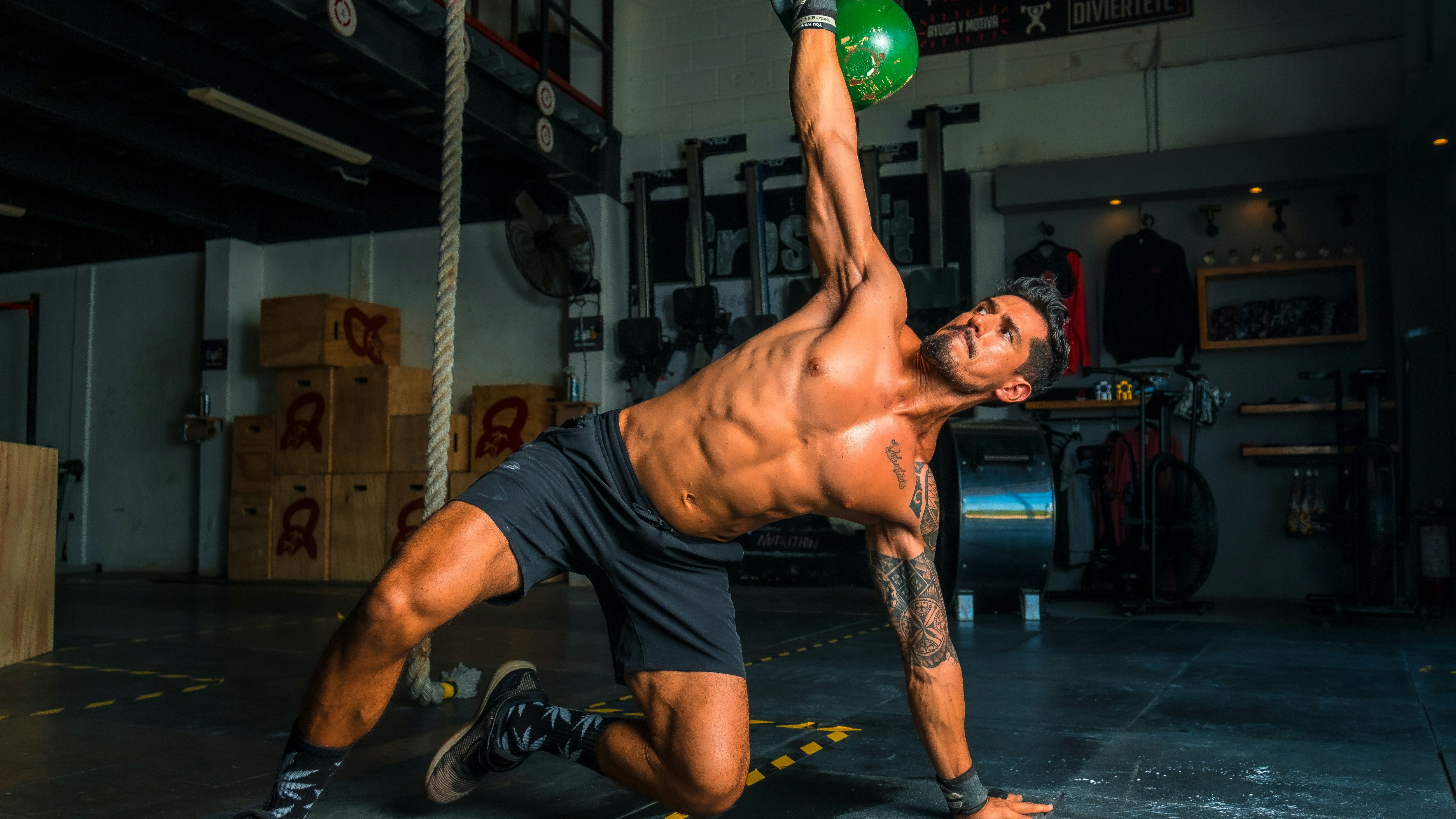
Depending on your goal, kettlebell work, sled training, ropes, core work, jumping preparation, sprint mechanics, and coordination drills can be included. The key is smart combinations and enough time for adaptation.
Who It Is For
Functional training can be adapted to any level. Beginners build foundations. Advanced trainees use higher intensity and more complex patterns. The key is correct progression and clean technique.
Conclusion
Functional training improves fitness and movement quality in daily life. It builds strength, stability, and resilience so you can move with confidence and power.